Willesden Lane gardeners top rated local garden service: a practical guide to choosing the right team
If you've been searching for Willesden Lane gardeners top rated local garden service, chances are you want more than a quick tidy-up. You want a garden that looks cared for, functions properly through the seasons, and doesn't become another weekend job hanging over you. Fair enough. A good local gardener should make your outdoor space feel easier to live with, not harder.
In a busy stretch like Willesden Lane, gardens can be compact, overlooked, shaded, awkwardly shaped, or just plain neglected after a long winter. The right service can handle the lot: lawn care, hedge work, clearance, planting, regular upkeep, and the kind of seasonal attention that stops small issues turning into bigger ones. This guide breaks down what a top-rated local garden service should actually do, how the process works, what to look for, and how to avoid paying for the wrong kind of help.
It's written to help you decide confidently, whether you need a one-off reset or a reliable ongoing maintenance plan. And yes, there are a few small details in here that matter more than people often think. Little things. But they add up.
Why Willesden Lane gardeners top rated local garden service Matters
Let's face it, a garden is one of those spaces that quietly reflects the rest of the home. When it's tidy, healthy, and well planned, everything feels calmer. When it's run down, overgrown, or half-finished, you notice it every time you look out of the window. That's why a top rated local garden service matters so much. It's not just about appearances. It's about making the space usable, safe, and easier to maintain over time.
Local knowledge also makes a real difference. Willesden Lane gardens often deal with tight access, neighbouring boundaries, mixed sunlight, and the everyday wear that comes with urban living. A gardener who understands those conditions can choose the right maintenance schedule, the right plants, and the right methods. In our experience, that local familiarity saves time, avoids guesswork, and usually gives better results from the start.
There's another angle people sometimes overlook: continuity. If you get the same team returning regularly, they learn how your garden behaves in dry spells, after heavy rain, or when one side gets more shade than the other. That sort of continuity is worth a lot. It means fewer surprises and fewer "we'll see what happens" moments. Not very reassuring, those.
For many homeowners, landlords, and busy families, the real value is simple: less stress and more use from the outdoor space you already have. A good garden service helps you enjoy the garden instead of constantly managing it.
How Willesden Lane gardeners top rated local garden service Works
A strong local garden service usually starts with a conversation, not a sales pitch. You explain what's happening now, what you want the space to feel like, and whether you need one-off work or ongoing care. The best teams will ask about sunlight, access, planting preferences, pets, storage, and how you actually use the garden. That detail matters. A lot more than people think.
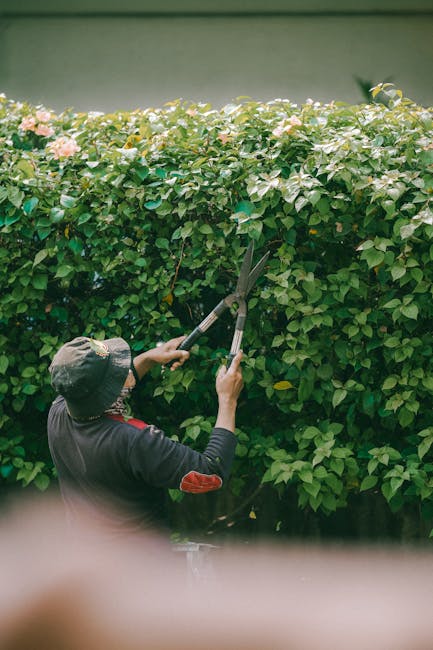
From there, the service is usually shaped around a few core tasks. These might include mowing, edging, hedge trimming, pruning, leaf clearance, weeding, bed maintenance, pressure-free tidy work, or larger improvements such as turf repair, border redesign, or hard landscaping. If the job is more involved, you may also be advised on landscape gardening or more structural improvements that go beyond routine maintenance.
For regular visits, a gardener will normally agree a schedule. That may be weekly in the growing season, fortnightly for moderate upkeep, or seasonal if the garden is fairly low maintenance. The aim is to keep things under control before they become expensive or time-consuming to fix. To be fair, that's often the whole point of hiring someone in the first place.
If the garden has got out of hand, a first visit may need a heavier reset. In that case, the work can include green waste removal, stripping back weeds, reshaping beds, and restoring basic structure. Services such as garden clearance can be the right starting point before anything else is planned.
A decent local service should also explain what will happen after the initial visit. Will the garden need follow-up? Are there areas that should be left to recover? Are there plants that need a different approach? Good communication here is a sign of professionalism, not fussiness.
Key Benefits and Practical Advantages
The best garden services do more than keep things neat. They make the whole outdoor space easier to manage, more pleasant to use, and more resilient through the year. That's the real gain. Here are the main benefits people usually notice first:
- Better appearance: A tidy lawn, clean edges, and controlled growth instantly lift the look of the property.
- Less time spent on upkeep: You stop losing weekends to catch-up jobs that keep returning.
- Healthier plants and lawns: Regular care usually catches problems earlier, before they spread.
- Improved safety: Overgrown paths, unstable branches, and hidden debris are easier to manage.
- More usable space: You get a garden that you can actually sit in, not just glance at from the kitchen.
- Seasonal readiness: The garden is prepared for growth spurts, storms, fallen leaves, and winter slowdown.
There's also a quieter benefit: peace of mind. Once the job is in the hands of someone competent, you stop mentally carrying it. That sounds small, but it really isn't. A well-kept garden tends to change how the whole home feels. You notice it on a Monday morning, or while putting the bins out, or when the first warm evening arrives and the place finally feels ready for it.
For properties that may be rented, shared, or listed for sale, a professional garden service can also support presentation. Buyers and tenants tend to make quick judgments. An overgrown front garden or scruffy boundary makes life harder than it needs to be. A clean, maintained outdoor space sends the right signal without shouting about it.
Who This Is For and When It Makes Sense
This kind of service suits more people than you might expect. It's not only for large homes or serious garden enthusiasts. In fact, some of the most common clients are simply people who want a tidy, usable outdoor space but don't have the time, tools, or physical capacity to do it properly themselves.
You may benefit from a top-rated local service if you are:
- a homeowner who wants regular maintenance without the hassle
- a landlord needing the garden kept presentable between tenancies
- a busy family trying to keep outdoor space safe and manageable
- a retired homeowner who prefers reliable help with heavier tasks
- someone with a small courtyard, shared rear space, or awkward access
- a property manager dealing with periodic overgrowth or seasonal clearances
It also makes sense if the garden has become a bit too much to handle in one go. Truth be told, that happens all the time. One missed season becomes two, then the hedge gets away from you, and suddenly the job looks enormous. A good local gardener can reset the space and help you stay on top of it after that.
If your garden is underused because it feels cluttered, patchy, muddy, or simply hard to maintain, this is probably the right time to bring in help. The same goes for spaces that need specialist work such as turf care, shrub shaping, or hedge control. For ongoing lawn attention, lawn mowing is often the most regular and visible part of the service, but it usually works best when combined with broader upkeep.
Step-by-Step Guidance
If you're comparing local gardeners, it helps to think in stages. The process is usually more straightforward than people imagine, but a bit of structure prevents mistakes.
1. Identify the main problem
Start with the issue that bothers you most. Is it the lawn, the hedge, the weeds, the clutter, or the fact that everything has become slightly chaotic? One problem usually reveals the rest. A front garden that looks tired, for example, might need edging, trimming, and a better maintenance rhythm rather than one dramatic overhaul.
2. Decide whether you need one-off or regular help
A one-off tidy-up is useful for resets, seasonal jobs, and pre-event prep. Regular maintenance is better if growth gets away quickly or if you want the garden to stay consistently neat. There's no universal answer here. It depends on the size of the space, how fast things grow, and how you use it.
3. Ask what is included
Before agreeing to anything, check exactly what the visit covers. Does it include waste removal? Does it include hedge shaping, edging, and cleanup? Does it cover beds and borders or only the grass? Small misunderstandings cause big annoyance later. And nobody wants that awkward "I thought that was included" conversation on the doorstep.
4. Check access and practical constraints
Some Willesden Lane gardens are straightforward. Others involve narrow side paths, shared entries, bins in the way, or limited parking. A reliable team will ask about access in advance and plan accordingly. That alone often tells you a lot about how organised they are.
5. Agree the maintenance rhythm
If the work is ongoing, choose a schedule that matches the season and the pace of growth. In spring and summer, gardens often need more frequent attention. In winter, the emphasis may shift to clearance, pruning, and weather-related checks. A good service will adjust rather than treating every month the same.
6. Review the results after the first visit
After the first session, walk through the garden and see how it feels. Is the shape better? Are borders cleaner? Is the lawn even? Are the difficult corners finally under control? This is the point where a good gardener proves they understand the brief. And if something feels off, say so early.
Expert Tips for Better Results
Here are a few practical tips that make a noticeable difference, especially if you want the garden to stay in good shape rather than just looking tidy for one afternoon.
- Think seasonally, not just reactively. Gardens change quickly in spring and early summer. Plan ahead a bit, or growth will simply overtake you.
- Choose the right service level. If your garden needs more than mowing, say so. A full service is often better value than piecing together tiny jobs.
- Be honest about budget and priorities. If everything can't be done at once, focus on the parts that affect safety, access, and structure first.
- Use pruning and trimming with restraint. Heavy cutting is not always better. Some plants respond badly if they are hacked back at the wrong time.
- Keep waste removal in mind. Garden work creates more green waste than people expect. Plan for it, don't assume it will vanish by magic.
- Mix maintenance with improvement. Even a modest update - a cleaner border line, a better planting choice, a neater hedge - can transform the space.
One small but useful habit: take photos before and after the first visit. It helps you see whether the service is delivering the standard you expected. It also makes follow-up conversations easier. Nothing dramatic, just practical.
If your garden suffers from recurring shade or privacy issues, consider how structural planting or tall screening options might help. A thoughtful approach can improve both atmosphere and function. For inspiration, the ideas discussed in this article on tall planters can be surprisingly useful for small urban spaces.
Common Mistakes to Avoid
Some mistakes are easy to make because they sound sensible at first. Others happen because people are trying to save money or time and end up creating more of both.
- Choosing on price alone: The cheapest quote is not always the best value if the scope is unclear or the finish is poor.
- Assuming all garden services are the same: They are not. Some teams specialise in maintenance, others in clearance, and some in larger landscaping work.
- Ignoring access issues: If the gardener can't get equipment to the rear garden easily, the job may take longer than expected.
- Overlooking waste disposal: A tidy garden can still leave piles of cuttings behind if disposal has not been agreed.
- Over-pruning in the wrong season: This can weaken plants or reduce flowering. Timing matters more than people think.
- Expecting one visit to solve everything: A neglected garden often needs a reset and a follow-up rhythm. That's normal.
Another common one: people wait until the garden is nearly unmanageable before calling for help. To be fair, life gets busy. But earlier intervention usually means less work, lower stress, and a much better result. Waiting rarely improves the bill, either.
Tools, Resources and Recommendations
A professional team will arrive with the right tools for the job, but it helps to understand what quality work usually involves. You don't need to know every model or brand. You just need to know what good practice looks like.
Common tools and equipment may include:
- mowers and edging tools for lawns
- secateurs and loppers for pruning
- hedge trimmers for shaping and reduction
- rakes, brooms, and blowers for clearance
- wheelbarrows or collection bags for waste movement
- simple hand tools for weeding, border work, and planting
For homeowners, the best "resource" is often a simple maintenance routine. A few minutes every week to spot weeds, check drainage, and keep an eye on growth can make your garden much easier to manage between visits. Nothing fancy. Just consistent.
If you're comparing service types, useful supporting pages on services overview, garden maintenance, and hedge trimming can help you understand how different jobs fit together. And if your project is bigger, the right mix may also include landscaping or even decking services where outdoor layout needs to change, not just the planting.
One practical recommendation: don't overcomplicate the plan at the beginning. A clear brief, a realistic schedule, and a well-defined scope usually work better than a long list of half-urgent extras. Keep it simple first. Then improve from there.
Law, Compliance, Standards, or Best Practice
For garden services in the UK, compliance is usually less about paperwork and more about safe, professional working practice. That said, it matters. A trustworthy team should have sensible health and safety procedures, appropriate insurance, and a responsible approach to waste, access, and plant care.
If work involves ladders, powered tools, heavy lifting, or tree-related tasks, safe methods are essential. Tree work, in particular, should be handled carefully and by people who understand the risks involved. If you need more substantial tree-related help, services such as tree lopping and removal should be discussed with caution and proper planning.
It's also wise to check how waste is handled. Green waste should be disposed of responsibly, and a reputable company should be able to explain its approach to recycling or reduction. Many customers appreciate a provider that considers sustainability, not just speed. If that matters to you, look for a clear statement on recycling and sustainability.
Other good-practice points include:
- clear communication before work begins
- respect for neighbouring properties and access routes
- care with tools, surfaces, and fragile planting
- transparent pricing and quote terms
- reasonable handling of complaints or follow-up concerns
You may also want to review a provider's approach to health and safety and insurance and safety. These pages are not glamorous, granted, but they do tell you a lot about how seriously a company takes its work.
Options, Methods, or Comparison Table
Choosing the right garden service often comes down to matching the method to the problem. A small courtyard garden with light seasonal growth needs something very different from a larger back garden with overgrown borders and a tired lawn.
| Option | Best for | Typical focus | When it works well |
|---|---|---|---|
| One-off tidy-up | Gardens that need a reset | Clearance, trimming, basic shaping | After a period of neglect or before an event |
| Regular maintenance | Busy homeowners and landlords | Mowing, weeding, pruning, ongoing control | When you want the garden to stay consistently neat |
| Seasonal service | Lower-maintenance spaces | Spring prep, autumn clearance, winter tidy | For gardens that only need attention a few times a year |
| Project-based work | Spaces needing change | Layout, planting, borders, hard landscaping | When the garden needs redesign, not just upkeep |
For many people, the best result comes from combining methods. A one-off reset followed by regular maintenance is often the most realistic and cost-effective route. It clears the backlog, then keeps it under control. Simple, really. But effective.
Case Study or Real-World Example
Imagine a modest rear garden off Willesden Lane. Nothing dramatic. A lawn that has thinned at the edges, a hedge leaning slightly into the path, weeds in the borders, and enough leaf build-up to make the whole place look a bit tired. Not a disaster, just neglected enough that no one feels like starting.
A sensible first visit would probably focus on the basics: clear the debris, cut back the hedge, define the edges, remove the worst weeds, and tidy the lawn area. If the green waste has piled up, a clearance step may be needed before the finer work begins. Once the structure is visible again, a gardener can judge what needs repairing, replanting, or simply leaving alone.
After that, the follow-up might be straightforward: regular mowing in the growing season, light hedge maintenance, and border checks every few weeks. The space then shifts from "catch-up mode" to "manageable." That's the point where a garden starts to feel like part of the home again instead of a job you keep meaning to deal with.
Sometimes the transformation is less about grand design and more about restoring dignity to the space. A clean edge, a healthy patch of lawn, a hedge that's not trying to eat the fence. Small wins, but they change the feel of the whole property.
Practical Checklist
Use this checklist before you book a gardener or start a new maintenance plan.
- Define the main goal: tidy-up, ongoing maintenance, or full improvement.
- List the problem areas: lawn, hedge, borders, trees, waste, access.
- Decide how often help is needed: one-off, seasonal, or regular.
- Ask what is included: labour, cleanup, waste removal, and follow-up.
- Check safety and insurance: especially for powered tools or tree work.
- Confirm access details: gates, parking, shared paths, and storage.
- Consider sustainability: waste handling and recycling where relevant.
- Review the quote carefully: scope, timing, and any exclusions.
- Take before photos: useful for measuring progress.
- Set a simple maintenance rhythm: so the garden doesn't slide back.
If you can tick most of those boxes, you're in a good place. Nothing fancy. Just a clear plan and the right help.
Conclusion
Finding the right Willesden Lane gardeners top rated local garden service is really about choosing a team that understands both the garden and the way you live. The best service is not just neat and efficient. It is steady, responsive, and practical. It knows when to tidy, when to cut back, when to leave something alone, and when the whole space needs a reset.
Whether you need regular lawn care, hedge trimming, a larger clearance, or a broader landscaping plan, the smartest choice is usually the one that matches your space honestly. Start with the current state of the garden, not the ideal version in your head. That's where better decisions come from.
Get a free quote today and see how much you can save.
And if you do get the garden back under control, enjoy it properly for a moment. Sit outside with a cup of tea, listen to the quiet, and notice how different the space feels when it's working for you again. That part matters more than people admit.
Frequently Asked Questions
What does a Willesden Lane local garden service usually include?
Most services include some mix of lawn mowing, hedge trimming, weeding, pruning, edging, and general tidying. Some also handle clearance, planting, and larger improvement work. The exact scope should always be confirmed before the visit, because "garden maintenance" can mean quite different things from one provider to another.
How often should a garden be maintained?
It depends on the size of the garden, the amount of growth, and how tidy you want it to stay. Many gardens benefit from weekly or fortnightly attention during the growing season, then less frequent visits in colder months. A local gardener should be able to suggest a rhythm that fits your space.
Is a one-off tidy-up enough?
Sometimes, yes. If the garden is only slightly overgrown or you need it sorted for a specific event, a one-off visit can be enough. But if the space keeps sliding back, regular maintenance usually works better and can be better value over time.
How do I know if I need garden clearance rather than maintenance?
If the garden is heavily overgrown, cluttered, or difficult to access, clearance is usually the first step. Maintenance is for keeping a garden in shape. Clearance is for getting it back to a workable state. A good gardener can tell you which one makes sense.
Do I need to be home during the work?
Not always. Some people prefer to be there for the first visit, especially if they want to explain priorities in person. After that, many garden jobs can be done without anyone at home, as long as access and instructions are clear.
What should I ask before booking a gardener?
Ask what is included, whether waste removal is covered, how long the job is likely to take, whether they have insurance, and how they handle follow-up work. Those simple questions reveal a lot about how organised and transparent the service is.
Are top-rated local gardeners better for small gardens too?
Yes, often they are. Small gardens can be surprisingly tricky because access is limited and every detail is visible. A skilled local gardener can make a compact space feel much more open, tidy, and usable without overworking it.
Can garden services help with privacy and screening?
Yes, depending on the work involved. Hedge shaping, planting, and tall planters can all help create a more private outdoor space. If that is a priority, it's worth mentioning early so the gardener can suggest a suitable approach.
What if my garden needs both maintenance and redesign?
That's very common. In many cases the best route is to stabilise the garden first with maintenance or clearance, then move into design improvements. Trying to redesign a neglected space before it is under control can make the project feel bigger than it needs to be.
How can I compare quotes fairly?
Compare the scope of work, not just the final number. One quote may include waste removal, trimming, and clean-up, while another may only cover labour. A fair comparison looks at what is actually being delivered, not just the headline price.
What makes a local garden service trustworthy?
Clear communication, sensible safety practice, appropriate insurance, and a straightforward approach to pricing all matter. So does the way they explain the job. A trustworthy gardener will usually be specific, realistic, and happy to talk through options without overselling.
Can I get help with larger outdoor projects too?
Yes. If your garden needs more than routine care, services like landscaping, landscape gardening, decking, or tree work may be relevant. The key is to match the service to the scale of the job, rather than forcing everything into one category.